Asset diagnostics
Assessment of the building in four areas (see below). Comparison with a benchmark of 1,000+ buildings. Identification of gaps and opportunities.
Diagnostic meeting ~ 1h
Owner zone


The value of a commercial building today depends not only on its basic features, but also on parameters that no one measured 10 years ago. Investors, banks and tenants ask about operating costs, energy efficiency, decarbonisation pathway and regulatory position. The answers and their justification translate into financing terms and valuation. That is why we help owners of portfolios from 5,000 to +200,000 sq m assess the current position of the asset and translate it into decisions on what to do, when and for how much.
Institutional buyers expect verification of data including energy consumption and emissions as a standard element of due diligence. Complete documentation shortens the process for both parties.
We do not start with certification. We start with understanding the owner’s situation and the asset itself. Certification, energy audit, decarbonisation analysis and ESG verification are tools for achieving business objectives. That is why we select them after diagnosis.
Client’s involvement
Assessment of the building in four areas (see below). Comparison with a benchmark of 1,000+ buildings. Identification of gaps and opportunities.
Investment strategy with return forecast – a list of recommendations: what to implement, in what order, at what cost, and what effect to expect. CAPEX linked to value — not to a certification checklist.
Certification, audit, BMS optimization, ESG documentation — scope resulting from the plan. Templates and workspace ready from day one.
Documentation ready for the bank, buyer or investor: certificate, banking package, energy baseline, decarbonization pathway.
Actual metered consumption compared with a benchmark of 1,000+ buildings. Identification of deviations and their annual cost.
Exposure to standard and non-standard physical factors: floods, heat stress, droughts. Impact on insurance conditions, tenants and financing terms.
The situation of the building in the context of current and upcoming regulations. Taking into account the refinancing schedule and the requirements of the specific financial institution.
Selecting the type and level of certification to match the client’s goal: bank requirement, tenant requirement, transaction support, investor strategy. We certify and advise for a specific business outcome.
The choice of services and certifications results from understanding the client’s situation and operating framework. Typically, the diagnosis indicates 2–3 tools whose use is justified.
Certification of an existing building. A standard accepted by banks, funds and tenants in CEE.
Preliminary project assessment with a scorecard. The starting point for deciding on the scope of further work.
Standardised certification for portfolios of 5+ buildings. Includes a portfolio dashboard and materials for investors.
Verification of ESG data in transactions. Energy baseline, identification of discrepancies.
Actual consumption vs benchmark. CAPEX plan with payback forecast.
Tailored to requirements, documentation for the credit committee: decarbonisation position, 36‑month action plan.
Each project has its dedicated project manager and a supporting team. One contact person throughout the entire delivery.





ESG certification and sustainability documentation are an investment. Below are concrete data from JWA projects and the CEE market — real results, not estimates.
Building type:
Logistics centre
Area:
72,000 m²
Location:
Silesia
Budget:
25,000 PLN
Result:
8% reduction in energy consumption in the first year — without investing in new equipment.
Building type:
Office
Area:
20,000 m²
Location:
Warsaw
Budget:
Lorem
Result:
The bank granted 18 basis points of better spread. Over a 5-year loan period, this is a saving that far exceeds the cost of certification.
Building type:
Logistics portfolio
Area:
183,000 m²
Location:
3 locations
Budget:
Lorem
Result:
Instead of three separate processes — one project with one data set. Documentation accepted on time. CAPEX plans ready in parallel with certification.
Environmental data in a format useful for the tenant. The Tenant ESG Brochure as an argument when negotiating the lease agreement.
Regulatory and banking requirements mapped together in a clear and relevant way, aligned with the investor’s situation.
Independent verification of operational data and flagging of discrepancies.
Benchmarking against 1,000+ buildings. BMS optimisation delivers up to 8% energy savings with no capital expenditure.
200+
buildings certified annually in CEE
70+
experts (certifications / ESG / energy / law)
1000+
buildings in the JWA Benchmark Database
6–8 weeks
to certification (market standard: 12–16 weeks)
With a diagnostic call. In 30 minutes we will make an initial assessment of the building’s situation and tell you whether certification makes sense or whether another tool is needed. Sometimes the answer is: start with a pre-assessment and only decide on the scope of certification once the diagnosis is complete.
With JWA: 6–8 weeks. Market standard is 12–16 weeks. JWA applications are processed as a priority by BRE in 2–3 weeks instead of several months.
A total of 40–60 hours over 6–8 weeks. We send templates and instructions ready before the project starts. Your role is to provide the necessary data and ensure access to the building so that we can perform the planned analyses — the entire certification process remains on our side.
It depends on its scope.
Standard: BREEAM In-Use certificate (valid for 3 years), pre-assessment report with scorecard and energy baseline.
Optional: Tenant ESG Brochure, bank package, ESG Due Diligence report.
Check the Portfolio Program: a standardized process for a real estate portfolio, including: prioritization of assets by value potential, a shared dashboard, and investor materials.
We define the scope and cooperation schedule after diagnosing the portfolio and the client’s business goals.

Dominika Bryła
Partner, Existing Buildings

Conducting the BREEAM New Construction certification process for the Skyliner skyscraper in Warsaw

Conducting the BREEAM New Construction certification process for the Posejdon mixed-use complex in Szczecin

Consultancy in the BREEAM New Construction certification process of the Hi Piotrkowska office building

Conducting the BREEAM certification process for 7R’s production, warehouse and office facilities
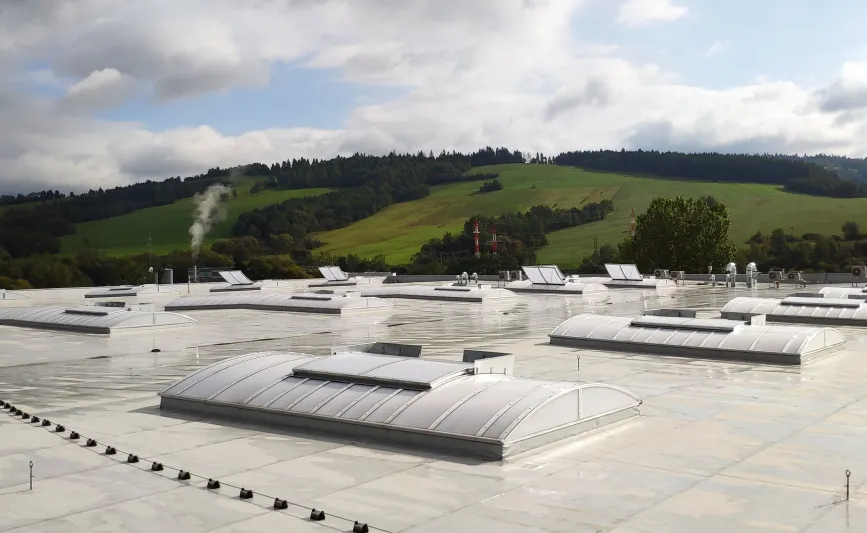
Advice and execution of a Type III environmental product declaration (EPD) for Mercor products
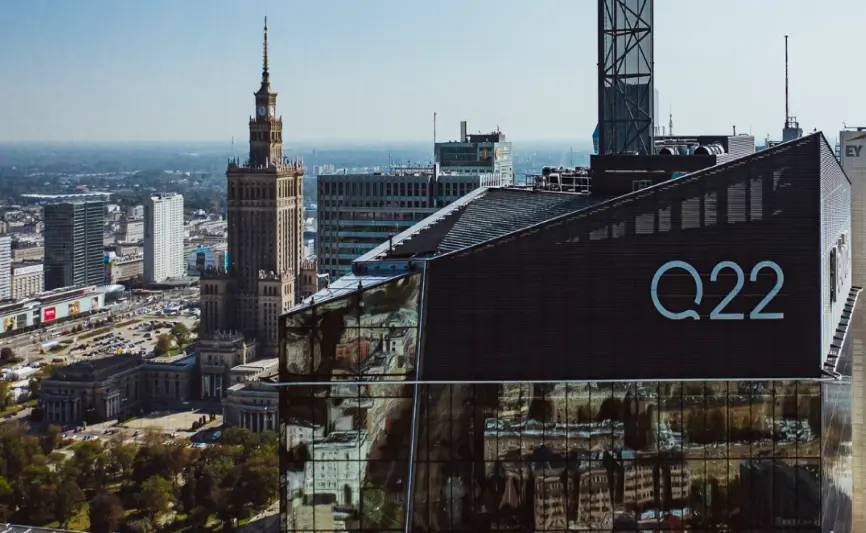
Net Zero decarbonization analysis using energy model for Q22 Warsaw
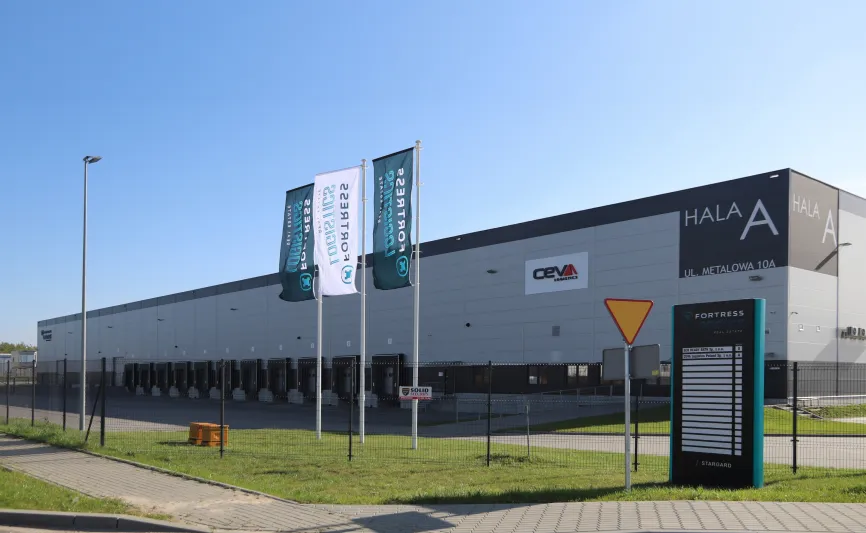
Advisory services in the BREEAM In-Use certification process for Fortress logistic parks

We will soon send you an offer best suited to your needs.
Thank you for sending us your message. We will reply to you shortly.
In order to best tailor the offer to your needs and reduce the preparation time, we invite you to complete a short survey.
Na podany przez Ciebie adres email otrzymasz potwierdzenie udziału w procesie rekrutacji i informacje na temat kolejnych kroków.
Powodzenia!
Zespół HR

Odpowiadamy w ciągu 24 godzin.